Emacs Extensions for
GE Smallworld Magik Development
Screen-casts, tutorials, and productivity tools for Magik programmers who use Emacs. From tab-mode and code folding to the Magik Debugger and object inspector — explore features built by a developer, for developers.
Learn MoreNine screen-casts published between November 2010 and January 2011 — covering everything from ECB mode to the Tree Item GUI control. Read the story behind the project →
Get in Touch
Daily Slot Races Rules Explained for Smarter Play
Daily slot races turn ordinary slot sessions into short, competitive events. Instead of focusing only on the outcome of one spin, participants collect points during a defined period and compete for a place on a leaderboard. The format can make familiar games feel more dynamic, but the details vary considerably between operators, platforms, and promotions.
Understanding daily slot races rules is important before entering because scoring, eligibility, prize distribution, and timing can all affect the result. A promotion may reward the highest total win, the largest multiplier, the greatest number of winning spins, or a different measurement altogether. Reading the terms first helps prevent assumptions about how the race works.
The same habit that helps a developer interpret structured data also helps a player assess a promotion. Magik Emacs is built around that kind of clarity for Magik programmers, with tools for navigating methods, inspecting objects, folding code, and examining collections. Those ideas provide a useful model for breaking a complicated race promotion into understandable parts.
How Daily Slot Races Usually Work
A daily slot race is a time-limited competition in which eligible players use selected slot games and earn points according to the promotion’s scoring formula. The race may run for a calendar day, a rolling 24-hour period, or a specific schedule announced by the operator. Start and end times are usually stated in the platform’s local time, which can differ from the player’s location.
Many races use a leaderboard to rank participants throughout the event. The display may show a player’s current position, score, distance from the next rank, and the remaining time. Some platforms update this information almost immediately, while others refresh it at intervals. A delayed leaderboard does not necessarily mean that the score is inaccurate, but it can make the final standings difficult to predict.
The eligible game list is another central feature. A race may include every slot in the lobby, a particular studio, a selected group of titles, or newly released games only. Spins on excluded games generally do not count, even if they produce a large win. Players should check the qualifying titles before beginning rather than relying on a game’s appearance inside a promotional area.
Entry can also differ. Some events are open to all registered users, while others require an opt-in button, a minimum deposit, a qualifying wager, or a specific account status. An event that appears on a homepage may still require activation before any points are recorded.
Common Scoring Systems and Point Calculations
The most common scoring model awards points for a player’s net result or total win during qualifying spins. For example, a promotion might assign one point for every unit won, or it might convert the result into points using a multiplier. The terms should explain whether the calculation is based on gross winnings, profit after the stake, or a combination of wins and wagers.
A gross-win system counts the amount returned by winning spins without subtracting the bet. A net-win system subtracts the amount wagered, so a large payout achieved through high stakes may produce a different score. This distinction is essential when comparing strategies, since two players can receive similar returns while collecting different leaderboard totals.
Other scoring formats measure frequency rather than value. A race can grant points for each winning spin, each bonus round, or each win above a specified multiplier. Some promotions combine several elements, such as one point for a winning spin plus extra points for a win exceeding a threshold. The wording may look simple, yet a small definition can change the entire scoring pattern.
The wager amount may be capped for scoring purposes. If the rules state that only bets up to a particular value qualify, increasing the stake beyond that limit may raise financial exposure without improving the score proportionally. Players should also look for maximum-point limits, excluded bonus features, and conditions affecting free spins.
For anyone who likes to analyse systems, the scoring formula can be treated like a small data model: inputs include game, stake, outcome, and timestamp, while the output is the leaderboard score. That perspective encourages careful reading instead of relying on promotional language or a displayed ranking alone.
Timing, Eligibility, and Qualifying Play
The event schedule determines which spins count. A race may begin at midnight, at a fixed hour, or immediately after a player joins. If the promotion uses a daily reset, the end of one event and the beginning of the next may be separated by only a few seconds. Spins started before the closing time but settled afterward may be handled according to the operator’s server time.
Account eligibility is usually tied to location, age, verification status, and account restrictions. New-player promotions can impose additional conditions, while established players may need to maintain an account in good standing. A suspended, self-excluded, or otherwise restricted account may not participate, even if the race interface remains visible.
Bonus funds deserve particular attention. Some races accept play made with bonus balance, while others count only real-money wagers. A platform might allow bonus-funded spins to generate points but prevent those points from qualifying for a cash prize until wagering requirements are met. The terms should also clarify whether winnings from free spins enter the calculation.
Game mechanics can affect qualification as well. Autoplay may be permitted, limited, or prohibited. Turbo modes, bonus-buy features, progressive jackpots, and special promotional rounds may receive separate treatment. A rule that excludes a particular feature can materially change the expected score, especially on games where bonus rounds produce most of the large payouts.
Players who track several digital promotions should keep a simple record of the event name, start time, qualifying games, stake limits, and settlement deadline. This is similar to keeping clean notes while debugging a Magik application: clearly separated variables make it easier to identify which condition caused an unexpected result.
Prizes, Tie-Breakers, and Account Credits
The prize pool is often divided among a fixed number of leaderboard positions. First place may receive the largest share, while lower ranks receive smaller cash amounts, bonus credits, free spins, or merchandise. The displayed prize can be subject to wagering requirements, expiry dates, maximum conversion limits, or restrictions on withdrawal.
A prize description should be read together with its terms. “Cash prize” generally has a different meaning from “bonus prize,” and promotional credits may need to be played through before withdrawal. Some operators credit awards automatically, while others require a claim within a stated period. Failure to claim on time can result in forfeiture.
Tie-breaker provisions matter when multiple participants finish with the same score. The earlier player to reach the score may rank higher, or the operator may compare total wagers, number of qualifying spins, or the timestamp of the final result. A race can also use a random tie-breaker. Without a published rule, a displayed shared rank may not reveal how prizes will actually be allocated.
Technical interruptions may receive their own section in the terms. If a game disconnects, a spin can remain pending while the race continues. Operators commonly reserve the right to adjust scores, void results, suspend an event, or correct leaderboard errors. These clauses are broad, so keeping screenshots of the rules and relevant account history can help document a dispute.
Digital economies use similar distinctions between earned value, promotional value, and restricted value. Readers who follow game marketplaces and virtual-currency services may also encounter https://cheapd3gold.com, where the difference between a listed amount and its applicable conditions illustrates why transaction terms should be checked before relying on a displayed figure.
A Practical Way to Read the Terms
Start by identifying the event window and the exact time zone. Then confirm whether opt-in is required, which games qualify, and what balance types can be used. These basic checks establish whether a session will count at all. A promotion with an attractive prize is irrelevant if the player is outside the eligible region or using a non-qualifying game.
Next, isolate the scoring rule. Write down the input that creates points, any stake ceiling, and the treatment of bonuses, free spins, jackpots, and cancelled rounds. If the operator provides an example calculation, compare it with the formal definition because examples may simplify unusual cases.
After that, examine the prize conditions. Note the number of winning positions, the prize type, any wagering requirement, the crediting schedule, and the expiry period. Check whether the prize is shared in a tie and whether an account must remain verified until payment is processed.
Finally, consider the financial boundary before playing. A leaderboard can create pressure to increase stakes or continue longer than planned. Set a fixed entertainment budget and a time limit, and treat the race as a promotional format rather than a reliable method of income. Slot outcomes remain random, and a scoring advantage does not remove the underlying risk.
Magik Emacs readers may appreciate documenting these details in a compact note or structured file. A simple record can include the promotion identifier, rule version, qualifying games, score formula, current position, and prize conditions. When rules change or a result looks inconsistent, that record provides a clearer basis for reviewing the event.
Explore Magik Emacs for practical Magik development resources, Emacs extensions, screen-casts, and documentation focused on efficient code navigation and technical analysis. Apply the same disciplined approach to daily slot promotions: read the conditions, verify the scoring model, monitor the timing, and make decisions within a clearly defined budget.
Core Features
Tab Mode & ECB
Quick tab switching and Emacs Code Browsing mode for navigating Magik codebases efficiently.
Magik Smeller
Code analysis tool that helps identify potential issues in Magik source files.
Code Folding
Hide/Show mode for collapsing and expanding Magik code blocks to focus on what matters.
Visual Bookmarks
Quick visual bookmarks for jumping between key locations in your Smallworld session buffers.
Object Inspector
Inspect Magik objects and display them in an Emacs Deep Print buffer for detailed examination.
Magik Debugger
Set breakpoints and monitor slots and variables directly from within Emacs.
Development Tools
Direct links between Emacs and the Smallworld Development Tools application, including Click Monitor.
Screen-casts & Tutorials
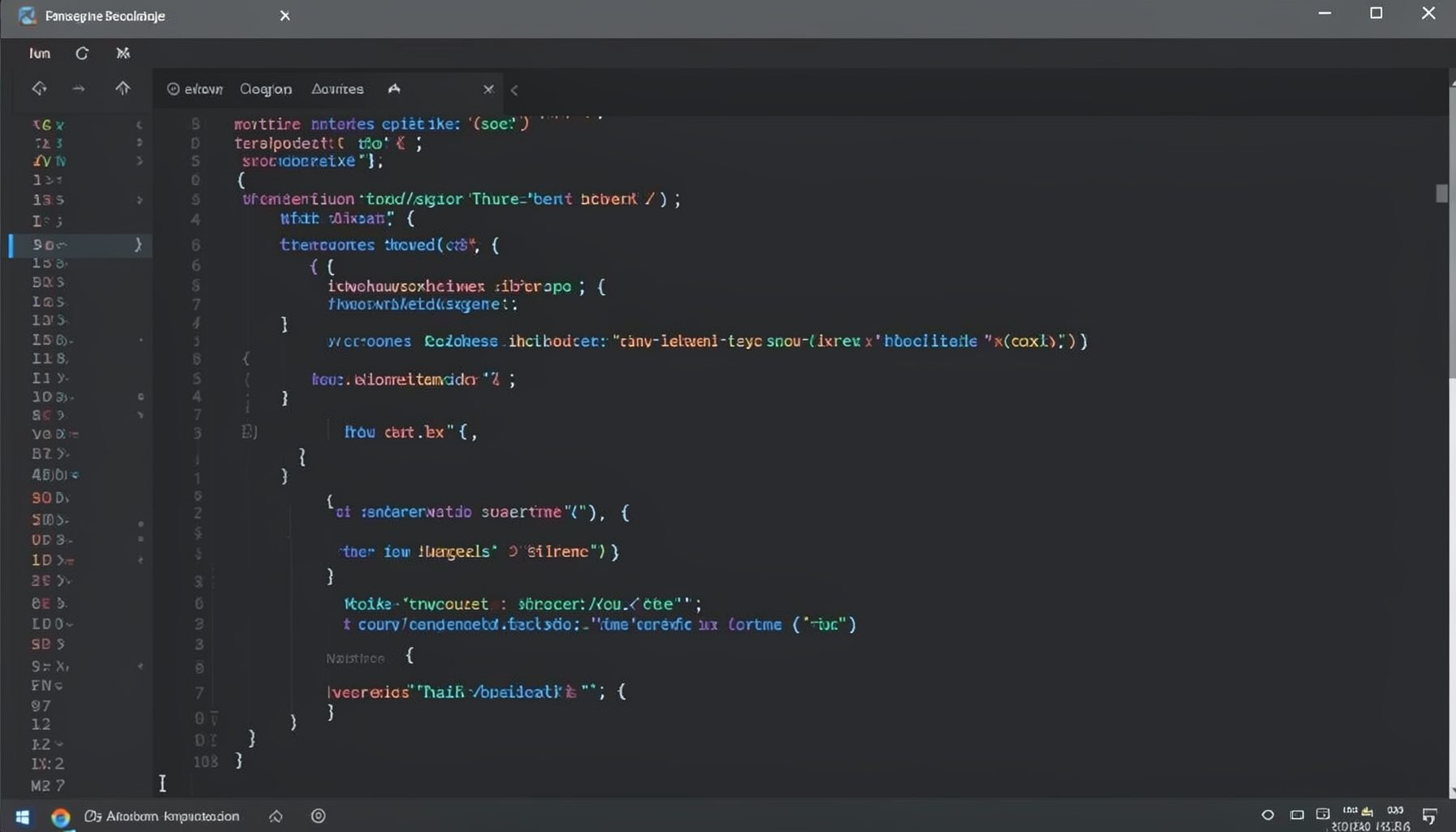
Screen-cast 1: Tab Mode, ECB & More
Covers tab-mode, ECB, Magik Smeller, code folding, visual bookmarks, pragma toggling, moving code, external editor, and MS Explorer.
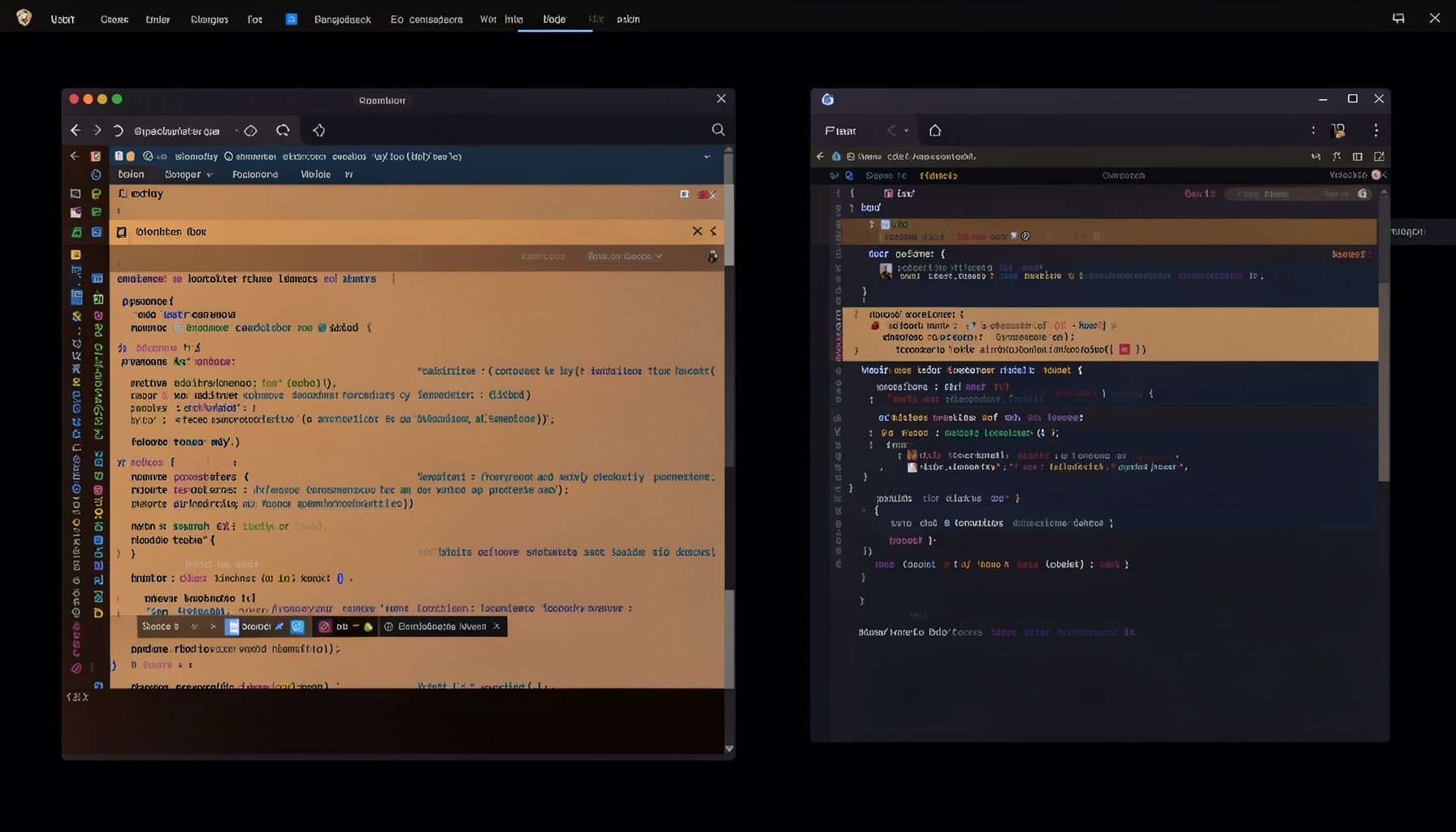
Screen-cast 5: Object Inspection & Deep Print
Inspect a Magik object, prompt for an expression evaluated within a Smallworld session, and display results in a Deep Print buffer.
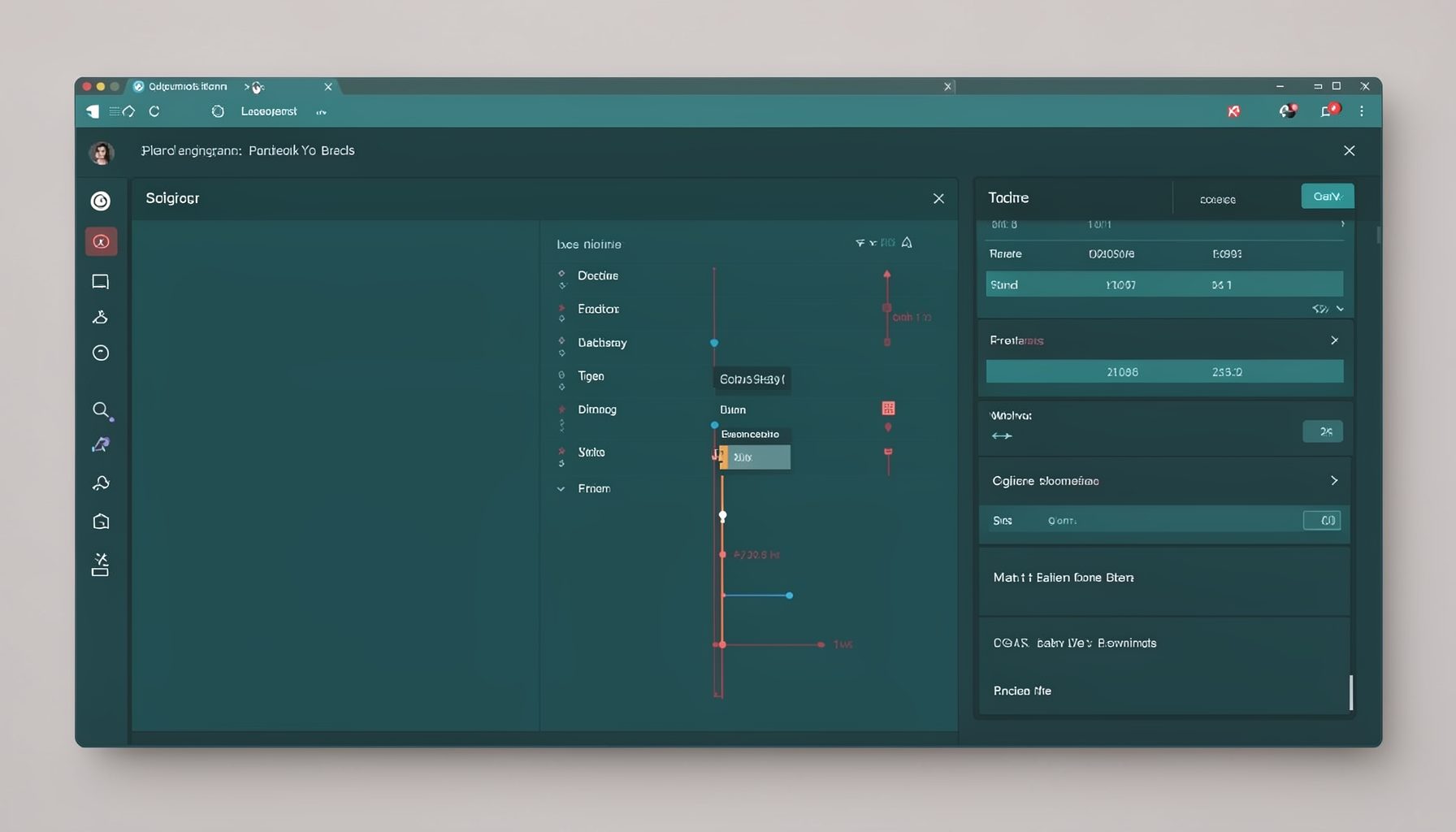
Screen-cast 7: Magik Debugger
Useful tools for application developers: Object Inspector and Magik Debugger with breakpoints and slot/variable monitoring.

Screen-cast 9: Tree Item GUI Control
Tree Item is a GUI control providing extensive facilities for displaying lists with rows, columns, trees, and in-place editing.