Emacs Extensions for
GE Smallworld Magik Development
Screen-casts, tutorials, and productivity tools for Magik programmers who use Emacs. From tab-mode and code folding to the Magik Debugger and object inspector — explore features built by a developer, for developers.
Learn MoreNine screen-casts published between November 2010 and January 2011 — covering everything from ECB mode to the Tree Item GUI control. Read the story behind the project →
Get in Touch
Deep-Stack Poker Tournaments And Smarter Long-Session Play
Deep-stack poker tournaments reward patience, observation, and careful planning. Players begin with a larger number of chips than they would in a fast-structured event, creating room for thoughtful decisions and a wider range of strategic options. The extra depth changes almost every stage of play, from opening ranges and post-flop manoeuvres to the way players protect their tournament lives.
A deep stack also creates a different rhythm. Early levels may feel relaxed, yet every pot can influence the table image and future opportunities of the people involved. Small edges accumulate over time, and a player who avoids unnecessary confrontation can reach the later stages with enough chips to apply pressure when blinds and antes become significant.
This long-form format appeals to players who enjoy analysing patterns and adapting to changing conditions. It has similarities with other forms of interactive entertainment, where understanding mechanics, managing a budget, and recognising volatility can shape the overall experience. Online casino games offer a separate style of play, with quicker rounds and clearly defined features.
For Australian players exploring that side of online gaming, https://lebanditdemoau.com/ provides information about the Le Bandit slot by Hacksaw Gaming, including its free browser demo, cluster-pay system, statistical profile, and real-money play options. The game is very different from tournament poker, but its design offers an interesting contrast to the extended decision-making of a deep-stack event.
Why Starting Chips Change Tournament Strategy
The defining feature of a deep-stack tournament is the number of big blinds available at the beginning. A player might start with 100, 200, or even more big blinds, giving plenty of space for raises, calls, and post-flop decisions. Losing a modest pot does not immediately place the player in survival mode, which allows a broader strategic range.
With deeper stacks, implied odds become more important. A speculative hand such as a suited connector or a small pocket pair may have greater value when there is enough money behind to win a substantial pot after making a strong hidden hand. The same hands are often less attractive in a shallow event because the likely reward does not justify the immediate risk.
Deep stacks also amplify positional advantage. Acting later provides more information before making a decision, and this information becomes increasingly valuable when several betting streets remain. A player on the button can open a wider range than a player under the gun, while the blinds must consider the possibility of playing a large pot out of position.
Pre-flop discipline still matters. The extra chips should not be treated as permission to enter every pot. Loose calls can create difficult situations, especially against opponents who understand how to apply pressure after the flop. Strong deep-stack players use the available depth selectively, choosing situations where position, hand quality, and opponent tendencies align.
Building A Reliable Early-Level Game
Early levels are often the best time to gather information. Players have room to fold marginal spots, watch showdowns, and identify who is opening too frequently or defending the blinds too widely. A detailed mental record of table behaviour can become more valuable than a single clever bluff.
A balanced opening strategy helps preserve flexibility. Premium pairs and strong broadway hands remain profitable, while suited aces and connected cards can be included when position and table dynamics support them. The goal is to create hands that can continue across several streets without committing too many chips to weak holdings.
Pot control has a central role in deep-stack play. A one-pair hand may be strong enough to win a medium pot but too vulnerable for a large all-in. Using smaller bet sizes, checking back selected streets, and calling rather than raising can keep the pot manageable while preserving the chance to improve.
Stack preservation should not be confused with passivity. A player who folds every marginal situation may surrender too much equity to aggressive opponents. The better approach is to choose high-quality pressure points, such as attacking capped ranges, isolating weak limpers, or three-betting against an opener whose range is clearly too wide.
Managing Variance Through The Middle Stages
As blinds rise, tournament strategy becomes more sensitive to stack distribution. A player with 60 big blinds can still use post-flop skill, while a player with 15 big blinds has fewer avenues for creative play. Tracking effective stack size is therefore essential. The relevant stack is the smaller stack involved in a hand, not the largest stack at the table.
The middle stage is where many deep-stack tournaments begin to separate disciplined players from impulsive ones. Some participants become impatient after several hours and take unnecessary risks. Others fail to adjust when antes make blind stealing more profitable. Recognising these tendencies creates opportunities for well-timed raises and continuation bets.
Independent chip value also begins to matter. Chips won early do not have exactly the same practical value as chips lost near a payout threshold. Tournament pressure can make a technically profitable cash-game decision unattractive when elimination carries a significant cost. This is why stack depth, payout structure, and remaining field size must be considered together.
Breaks are useful for reviewing the session rather than replaying every hand emotionally. A short note about an opponent’s opening frequency, an unusual sizing pattern, or a failed bluff can improve future decisions. The same analytical habit used to examine a poker hand can be applied to casino game information, where volatility and return-to-player figures help define expectations.
Reading Volatility In Poker And Casino Games
Poker tournament variance comes from many sources: card distribution, all-in outcomes, table assignments, opponent quality, and payout structures. A skilled player can make sound decisions and still experience a long losing stretch. Deep stacks may provide more opportunities to reduce the influence of short-term luck, but they do not remove uncertainty.
Casino slots present variance in a more mechanical form. Le Bandit uses a cluster-pay mechanic, meaning winning combinations are formed through matching symbols in connected groups rather than relying solely on traditional paylines. Winning symbols can disappear and trigger further drops, creating the possibility of multiple wins within a single spin.
Its profile includes a high-volatility style, an advertised RTP figure, a defined betting range, and a maximum-win potential. These statistics do not predict the result of an individual spin. They describe the mathematical design over a very large number of plays, so players should treat them as reference information rather than a promise of a particular outcome.
The free browser demo is useful for examining the game’s presentation and mechanics without placing a cash wager. Australian users who later choose real-money play should confirm applicable legal requirements, use a licensed service where appropriate, and set a budget in advance. A slot session has no strategic control equivalent to position, range selection, or bet sizing in poker, so entertainment spending should remain separate from tournament funds.
Choosing The Right Format For Your Playing Style
Deep-stack poker tournaments suit players who enjoy extended sessions, evolving table dynamics, and decisions with several possible outcomes. They reward concentration because a tournament can last for many hours, with the most important decisions sometimes arriving long after the opening levels. A stable routine involving breaks, hydration, and note-taking can support clearer judgement.
Fast tournaments provide a different experience. The shorter structure creates immediate pressure, reduces the number of post-flop manoeuvres, and places greater emphasis on push-fold decisions. Neither format is automatically better; the appropriate choice depends on available time, preferred pace, and comfort with tournament variance.
Casino slots offer a still faster entertainment cycle. The appeal of Le Bandit comes from its visual style, cluster wins, cascading symbols, and potential bonus-like sequences rather than from strategic interaction with other players. It can be explored independently through the demo, while real-money play should be approached with strict limits and realistic expectations.
Players who enjoy analytical detail may appreciate comparing these formats without confusing their underlying mechanics. Poker involves incomplete information and decisions that can influence expected value. A slot operates through predetermined mathematical rules and random outcomes. Understanding that distinction helps prevent the common mistake of applying poker concepts such as skill advantage or opponent reading to a game where those tools do not affect the result.
Deep-stack poker tournaments remain compelling because they give strategic decisions room to develop. Starting-chip depth supports creative lines, but successful play still depends on position, hand selection, stack awareness, and emotional control. The strongest approach is usually measured rather than dramatic: collect information, select profitable spots, and avoid turning a manageable hand into an unnecessarily large confrontation.
For a separate browser-based gaming experience, explore the Le Bandit demo to see its cluster-pay structure and cascading gameplay before considering any cash option. Review the published RTP, volatility, betting limits, and maximum-win information, and keep any gambling activity within a predetermined entertainment budget. Responsible play preserves the enjoyment of both poker study and online casino exploration.
Core Features
Tab Mode & ECB
Quick tab switching and Emacs Code Browsing mode for navigating Magik codebases efficiently.
Magik Smeller
Code analysis tool that helps identify potential issues in Magik source files.
Code Folding
Hide/Show mode for collapsing and expanding Magik code blocks to focus on what matters.
Visual Bookmarks
Quick visual bookmarks for jumping between key locations in your Smallworld session buffers.
Object Inspector
Inspect Magik objects and display them in an Emacs Deep Print buffer for detailed examination.
Magik Debugger
Set breakpoints and monitor slots and variables directly from within Emacs.
Development Tools
Direct links between Emacs and the Smallworld Development Tools application, including Click Monitor.
Screen-casts & Tutorials
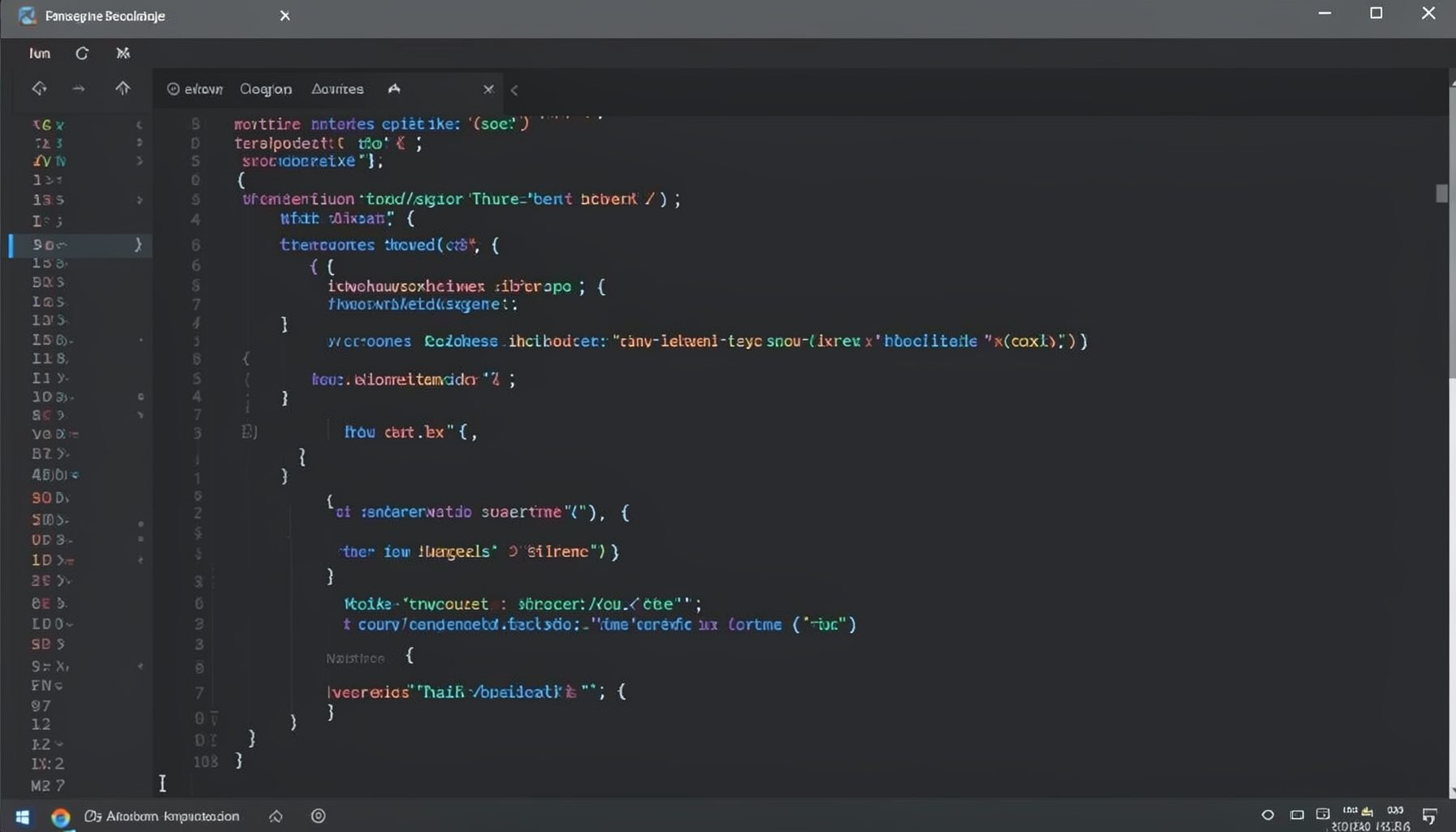
Screen-cast 1: Tab Mode, ECB & More
Covers tab-mode, ECB, Magik Smeller, code folding, visual bookmarks, pragma toggling, moving code, external editor, and MS Explorer.
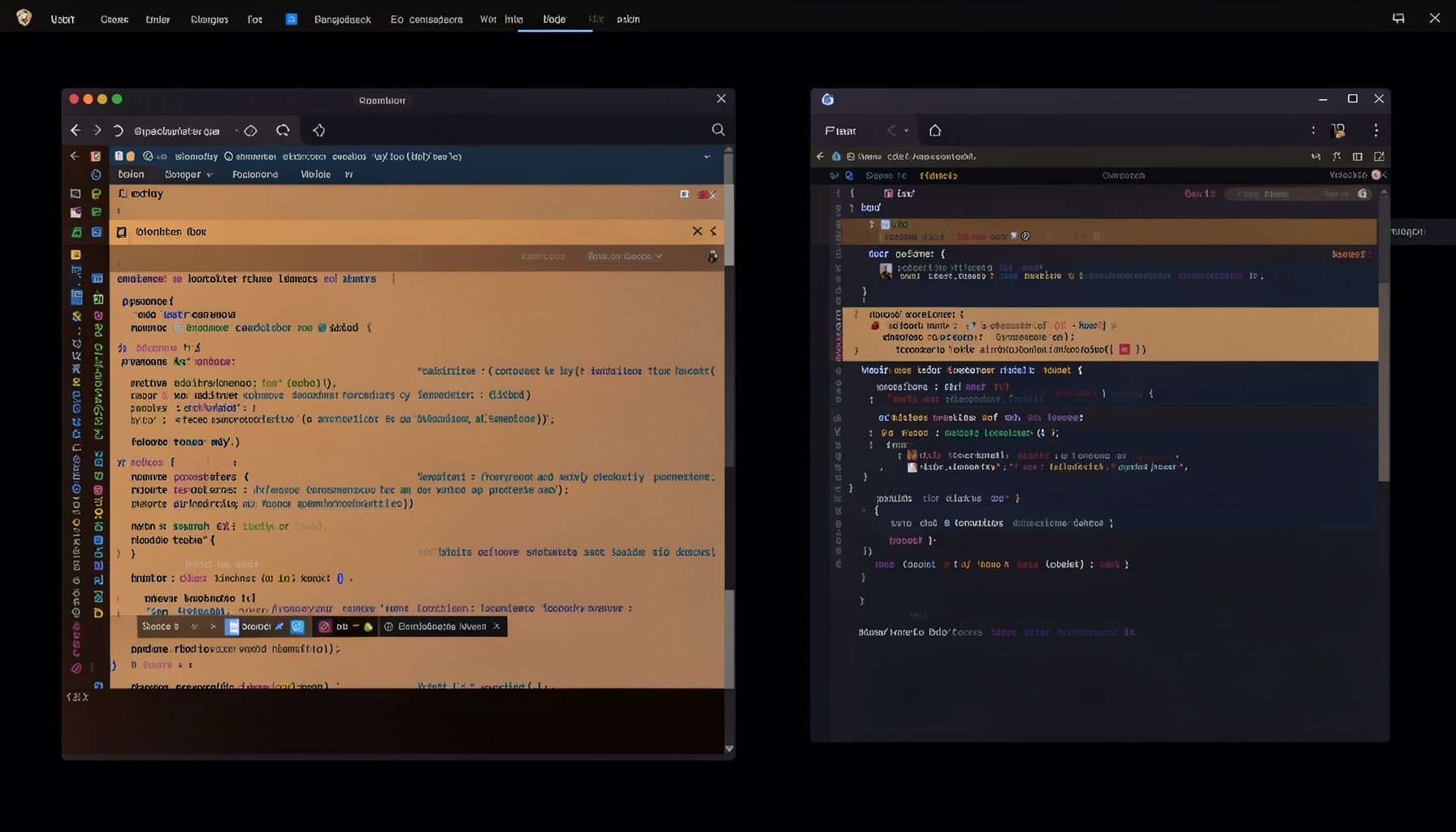
Screen-cast 5: Object Inspection & Deep Print
Inspect a Magik object, prompt for an expression evaluated within a Smallworld session, and display results in a Deep Print buffer.
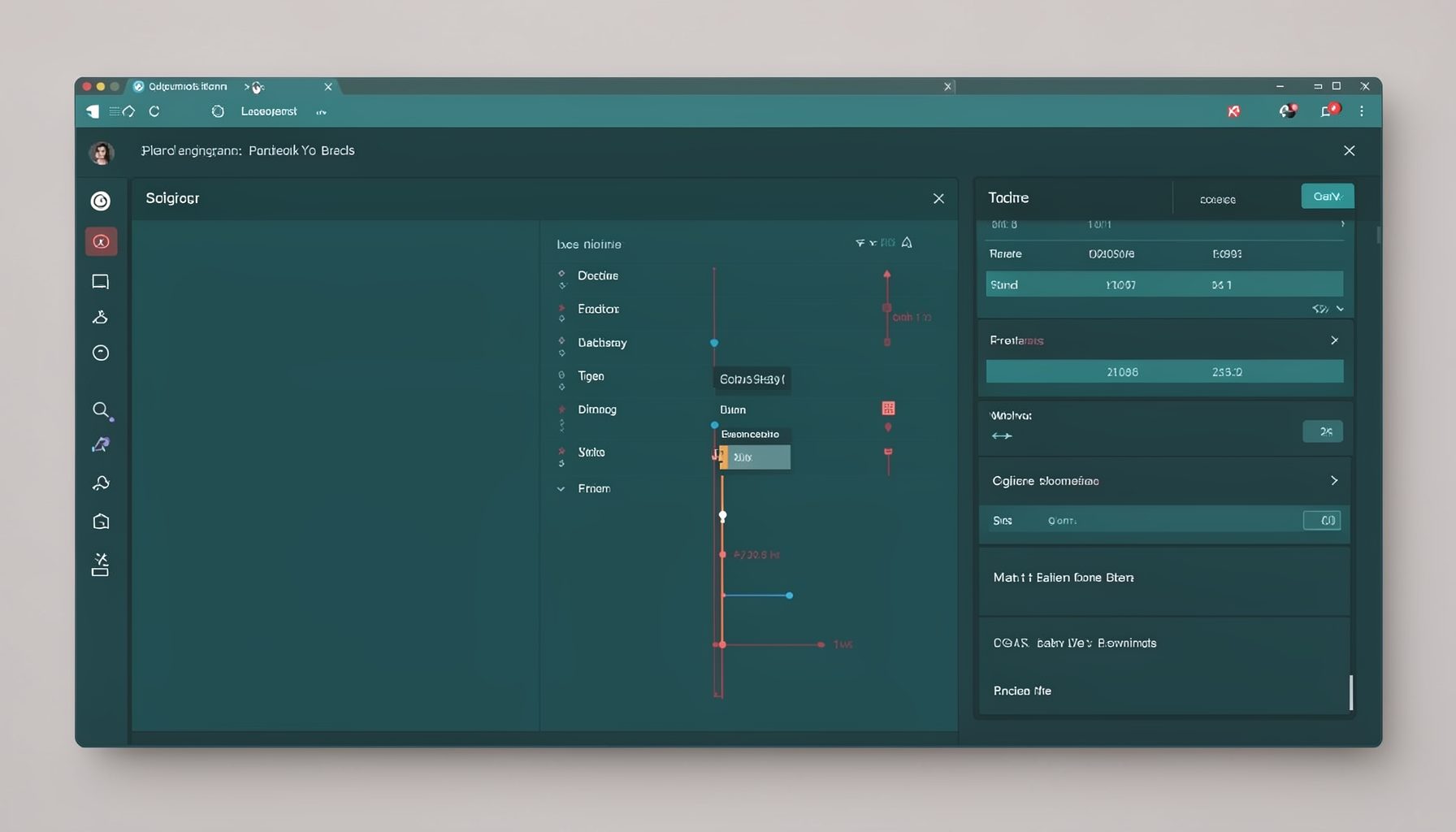
Screen-cast 7: Magik Debugger
Useful tools for application developers: Object Inspector and Magik Debugger with breakpoints and slot/variable monitoring.

Screen-cast 9: Tree Item GUI Control
Tree Item is a GUI control providing extensive facilities for displaying lists with rows, columns, trees, and in-place editing.