Emacs Extensions for
GE Smallworld Magik Development
Screen-casts, tutorials, and productivity tools for Magik programmers who use Emacs. From tab-mode and code folding to the Magik Debugger and object inspector — explore features built by a developer, for developers.
Learn MoreNine screen-casts published between November 2010 and January 2011 — covering everything from ECB mode to the Tree Item GUI control. Read the story behind the project →
Get in Touch
Blog
When a Smallworld code base grows past a few thousand lines of Magik, peer review stops being optional. Anything beyond a quick glance at a pull request needs…
Magik development often involves moving through a large object model rather than writing isolated functions. A method may be inherited from a parent, supplied…
For Australian Magik developers maintaining GE Smallworld databases at organisations such as Yarra Valley Water, SA Water, or APA Group, daily editing sessions…
A well-made screen-cast can make Magik development far easier to understand. A viewer can see a method being edited, a workspace being inspected, a debugger…
Debugging Magik becomes far more practical when execution control and object inspection share the same Emacs workspace. Instead of stopping at a breakpoint,…
Large Magik applications can make ordinary cursor movement feel surprisingly slow. A method file may contain long declaration blocks, repeated object names,…
Consistent formatting makes Magik code easier to read, review and maintain, particularly in large Smallworld environments where methods can remain in service…
A consistent project skeleton removes much of the repetitive setup involved in Magik development. Instead of recreating folders, configuration files,…
Magik programmers who have spent years inside GNU Emacs often hit the same wall: the editor handles editing beautifully, but stepping through running…
Many Magik developers based in Sydney, Melbourne, or Brisbane routinely edit Smallworld source code that lives on a central server rather than on their laptop.…
Core Features
Tab Mode & ECB
Quick tab switching and Emacs Code Browsing mode for navigating Magik codebases efficiently.
Magik Smeller
Code analysis tool that helps identify potential issues in Magik source files.
Code Folding
Hide/Show mode for collapsing and expanding Magik code blocks to focus on what matters.
Visual Bookmarks
Quick visual bookmarks for jumping between key locations in your Smallworld session buffers.
Object Inspector
Inspect Magik objects and display them in an Emacs Deep Print buffer for detailed examination.
Magik Debugger
Set breakpoints and monitor slots and variables directly from within Emacs.
Development Tools
Direct links between Emacs and the Smallworld Development Tools application, including Click Monitor.
Screen-casts & Tutorials
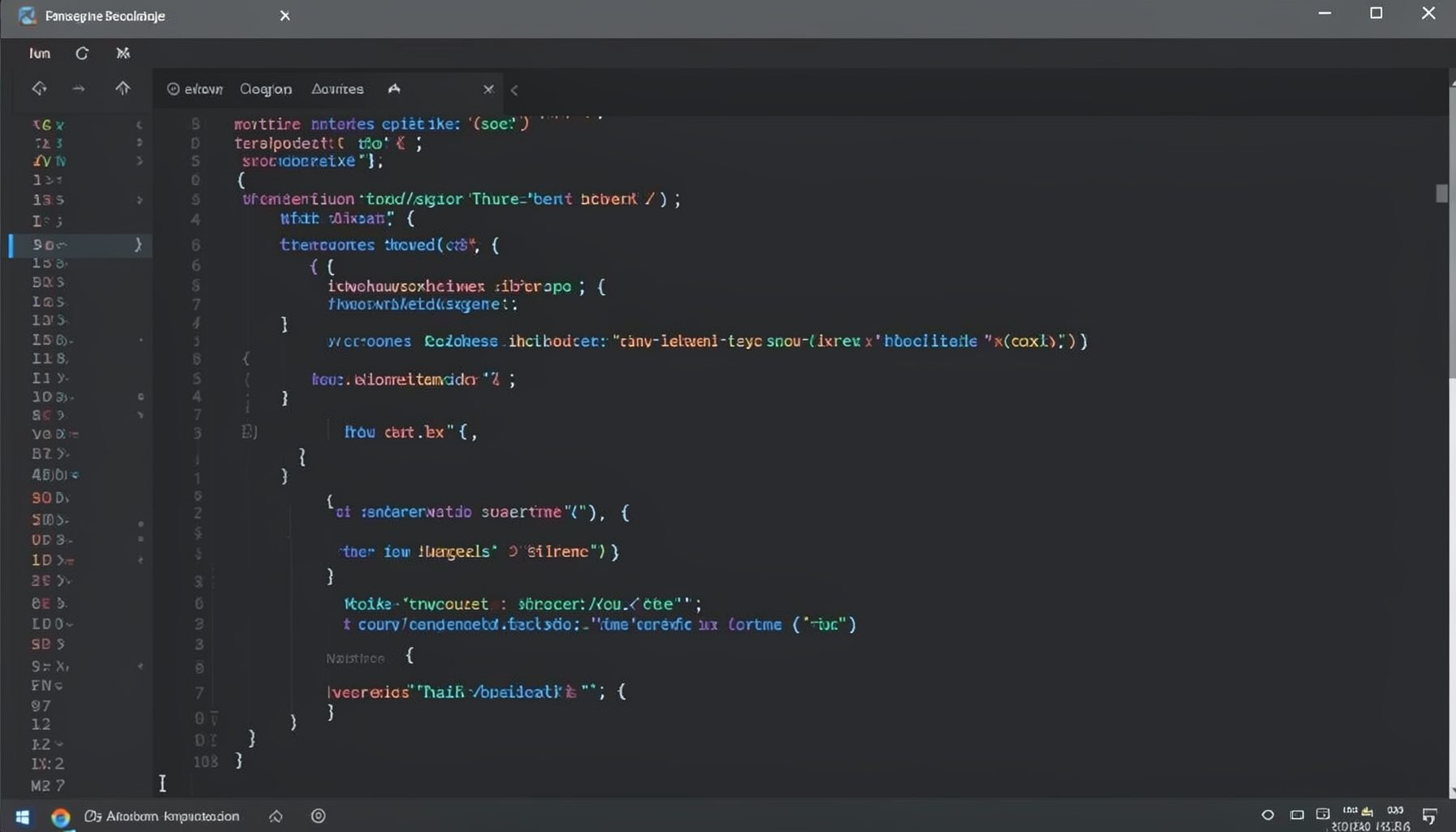
Screen-cast 1: Tab Mode, ECB & More
Covers tab-mode, ECB, Magik Smeller, code folding, visual bookmarks, pragma toggling, moving code, external editor, and MS Explorer.
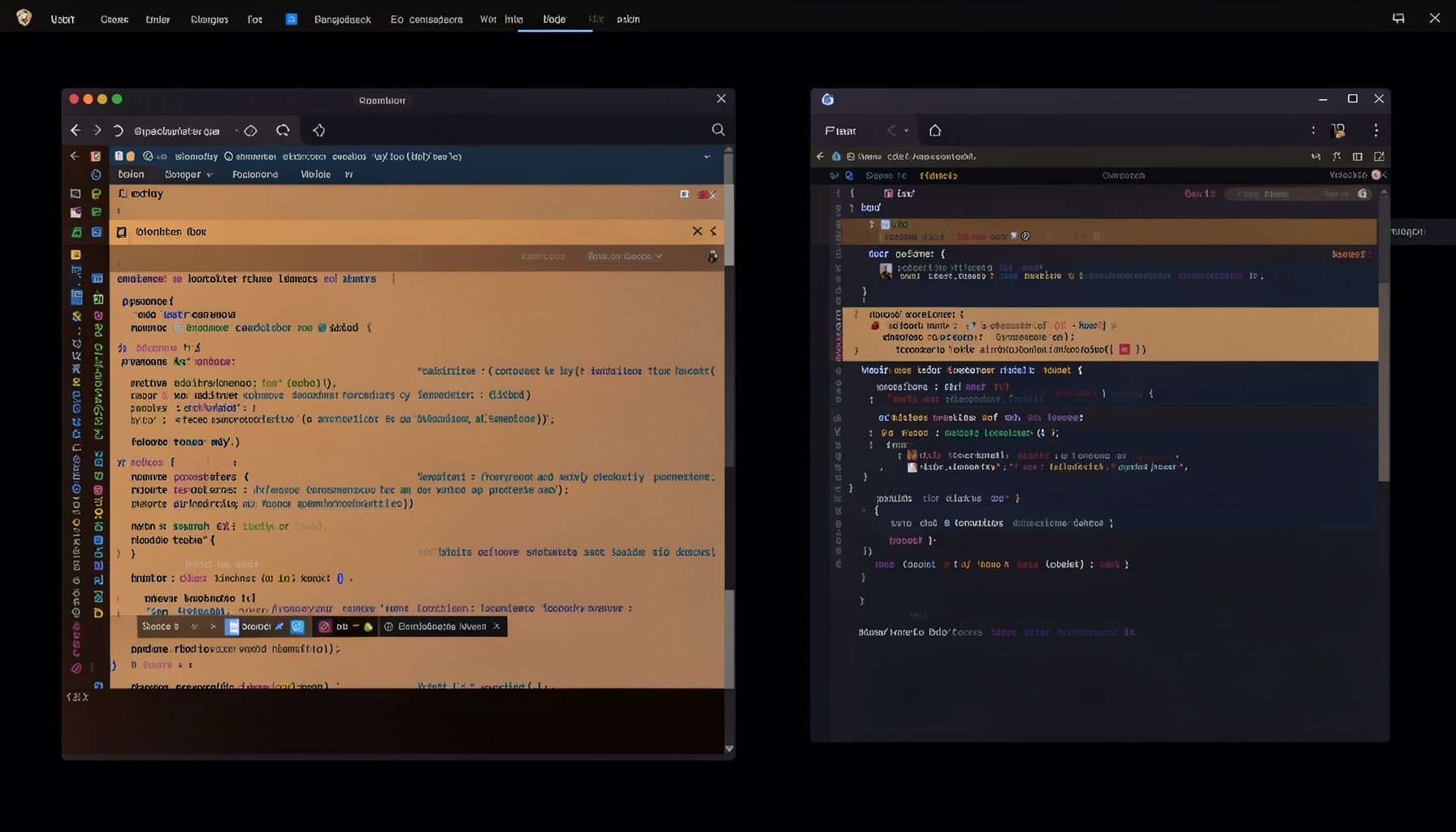
Screen-cast 5: Object Inspection & Deep Print
Inspect a Magik object, prompt for an expression evaluated within a Smallworld session, and display results in a Deep Print buffer.
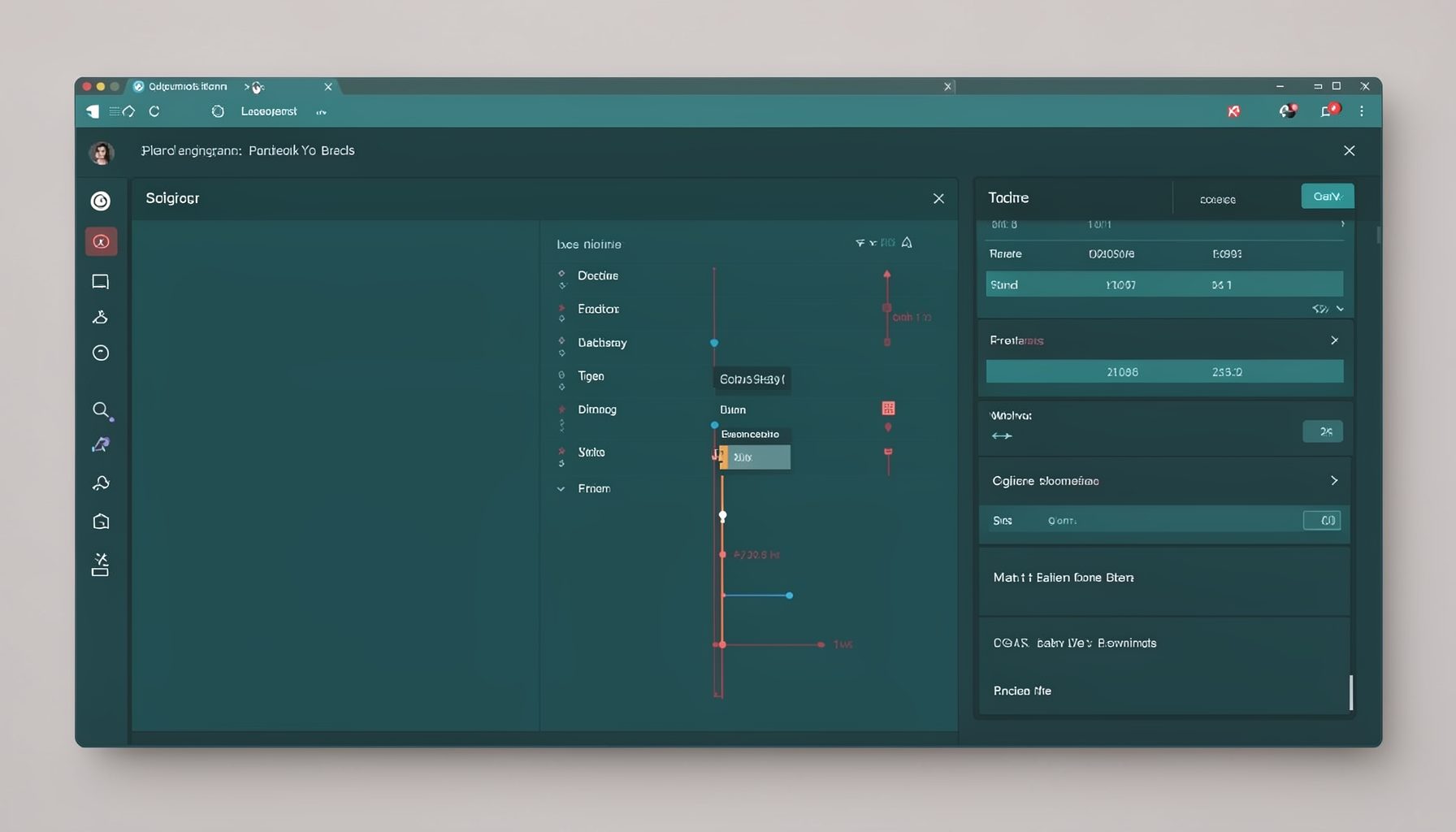
Screen-cast 7: Magik Debugger
Useful tools for application developers: Object Inspector and Magik Debugger with breakpoints and slot/variable monitoring.

Screen-cast 9: Tree Item GUI Control
Tree Item is a GUI control providing extensive facilities for displaying lists with rows, columns, trees, and in-place editing.